Understanding the psychological pull of gambling A deep dive into behavioral motivations
The Allure of Chance
The thrill of uncertainty plays a pivotal role in the allure of gambling. When individuals place bets, they experience a rush of adrenaline, fueled by the unpredictability of outcomes. This psychological phenomenon is tied to the brain’s reward system, where the potential for winning activates dopamine pathways, generating feelings of pleasure and excitement. This “high” can be incredibly enticing, making it difficult for many to resist the temptation to gamble. Moreover, understanding the trends, including crypto gambling sites, can influence modern gambling experiences.
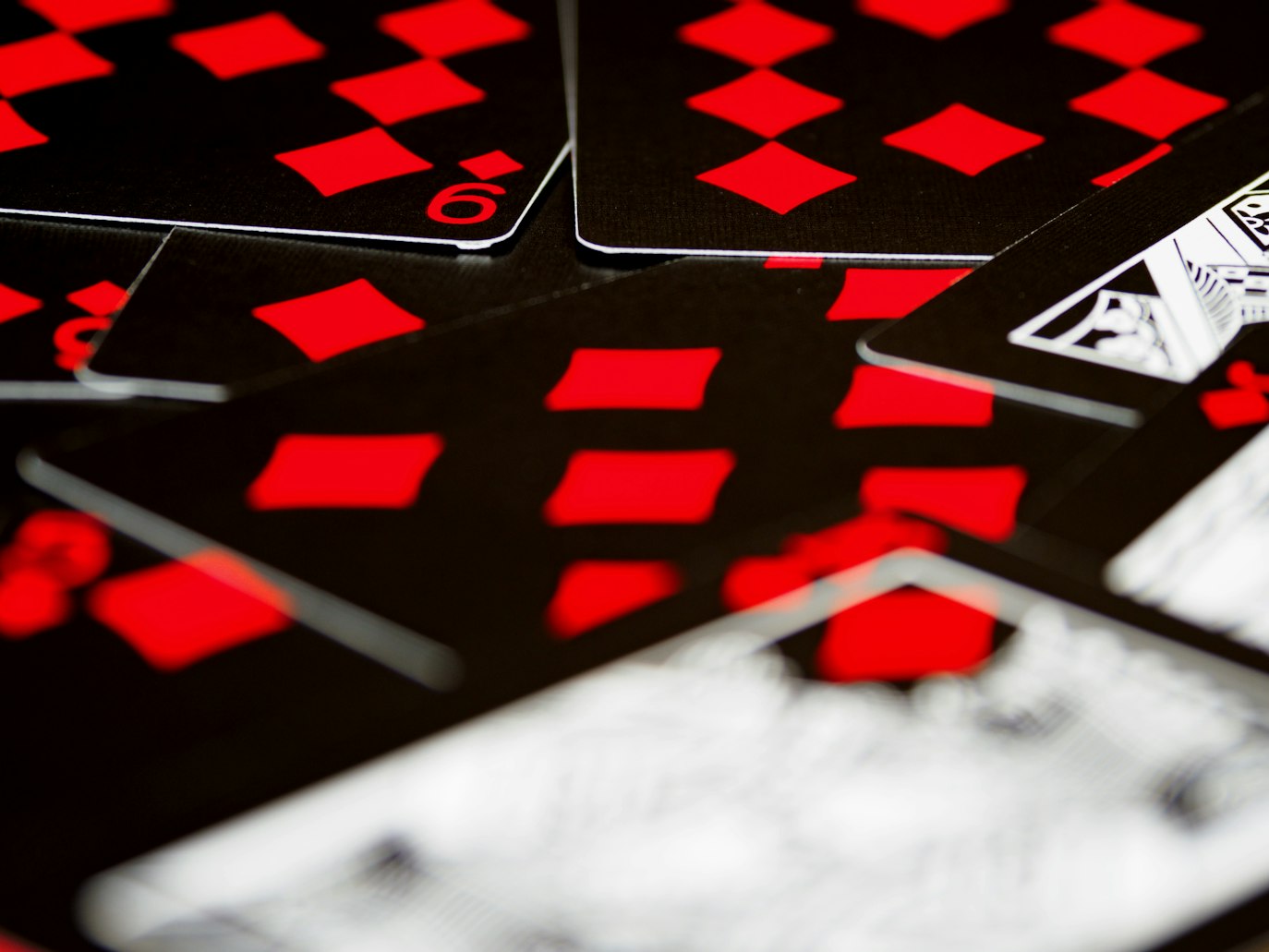
Furthermore, the combination of hope and fantasy often drives individuals to seek out gambling experiences. Many believe they can change their lives with a single win, which reinforces the cycle of gambling behavior. This hope, however, can lead to problematic patterns, where individuals may gamble in pursuit of an elusive jackpot, despite facing significant losses.
The Role of Social Influence
Social factors significantly influence an individual’s decision to gamble. Peer pressure and the desire to fit in can be powerful motivators. Observing friends or celebrities engaging in gambling can create a sense of normalcy and even encourage participation. This social aspect can make gambling seem more appealing and less risky, reinforcing the idea that it’s a common pastime.
Moreover, the portrayal of gambling in popular culture, including movies and television shows, further glamorizes this behavior. When high-profile figures are depicted winning large sums effortlessly, it creates an aspirational image that many want to emulate. This societal acceptance can lead to an increase in gambling activities, as individuals seek to partake in what is perceived as a thrilling and socially acceptable endeavor.
The Psychological Rewards of Winning
Wins in gambling often provide a powerful psychological boost, reinforcing the behavior. When individuals win, their brains release feel-good chemicals, creating a positive feedback loop that encourages repeated gambling. This reward system can lead to overconfidence, where gamblers believe their success will continue, pushing them to gamble more aggressively.
Conversely, losses can also affect an individual’s mindset, leading them to chase their losses in an attempt to regain what they have lost. This phenomenon, known as “loss chasing,” can cause significant emotional distress, pushing individuals further into harmful gambling behaviors. Understanding these dynamics is crucial for recognizing the psychological traps that gambling can create.
Celebrity Gamblers and Their Impact
The visibility of celebrity gamblers has a profound effect on public perception of gambling. When celebrities endorse or engage in gambling, it sends a message that such behavior is glamorous and desirable. This can entice fans and followers to mimic these behaviors, often underestimating the risks involved.
The lifestyle of celebrity gamblers often highlights the thrill and excitement of high-stakes betting, overshadowing the potential consequences. Fans may idolize these figures, believing that if they can win, so can they. This skewed perception can lead to an increase in gambling activity among fans, who might feel empowered to take risks that they would not otherwise consider.

About Us
At msfdn.org, we aim to provide comprehensive insights into various topics, including the psychological facets of gambling. Our commitment is to help individuals understand the complexities surrounding gambling behaviors and their implications. With expert resources and information, we strive to educate our audience about responsible gambling and its potential effects.
As we work on enhancing our website, we appreciate your patience and understanding. We believe in fostering knowledge and awareness, empowering users to make informed choices. Stay tuned for more valuable content that will further explore the intricacies of psychological motivations in gambling and beyond.